
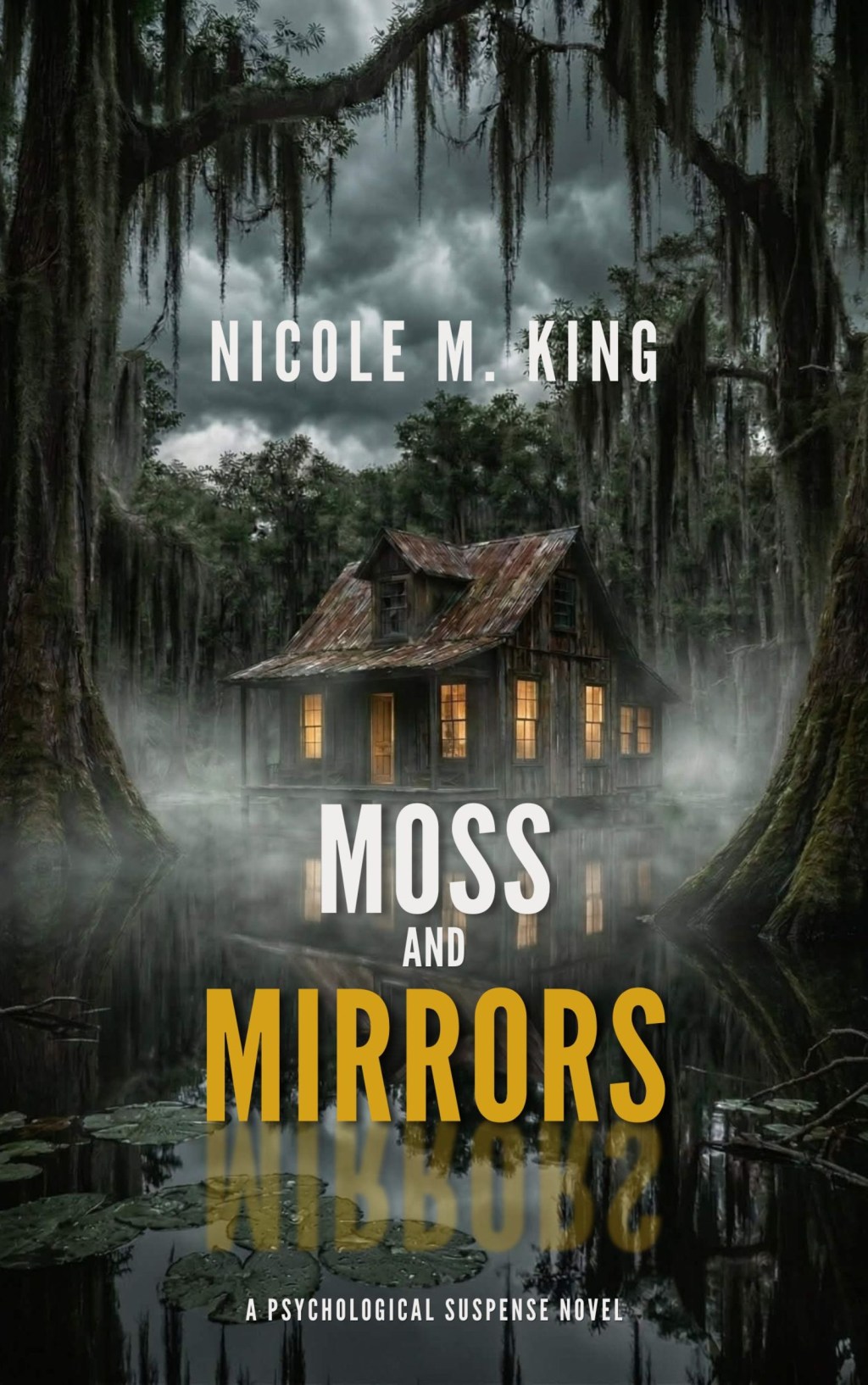

Synopsis:
She escaped one dangerous cult only to land in the hands of another.
Quinn was thirteen when she was taken. Fifteen years later, a raid finally sets her free, and the counselor assigned to help her rebuild understands survivors like no one else. He gives her a quiet house in Cypress Hollow, Louisiana, and women who understand what she’s been through. For the first time in years, Quinn feels safe.
But there’s something different in the way he watches her — something that isn’t in his file.
The house keeps its own rules. The women won’t meet her eyes. And the man who promised to help her, the one who keeps showing up when she least expects him, calls her “Little one” in a voice that no longer sounds like care.
By the time Quinn understands she hasn’t been saved, she’s been collected. It may already be too late.
Shop The Book: Moss And Mirrors
Shop My Stack: 2026 Books Read

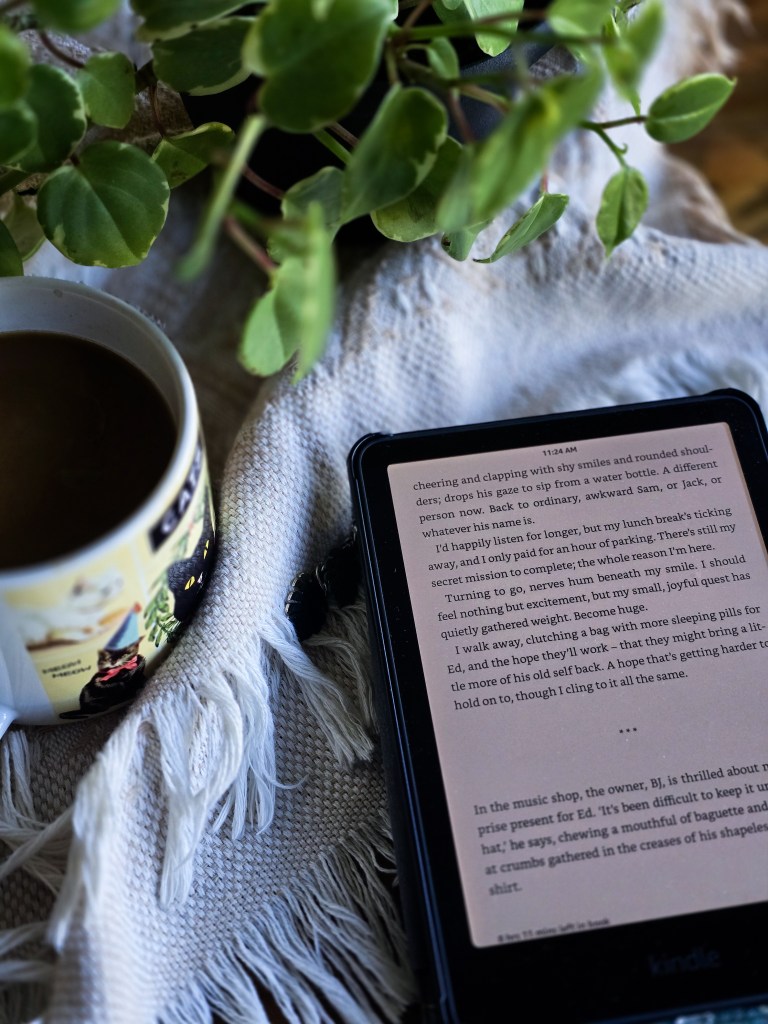
Moss and Mirrors is unlike anything I’ve read. It’s a quiet, unsettling unraveling. It hands you fragments, lets the silences do the talking, and leaves you holding your breath, never quite sure what’s lurking beneath the surface. I’ve only read one other series written in a style like this, and just as I loved that one, I found myself completely drawn into this one.
If everything that made you who you are was stripped away, what’s the one part of yourself you would fight hardest to hold on to?
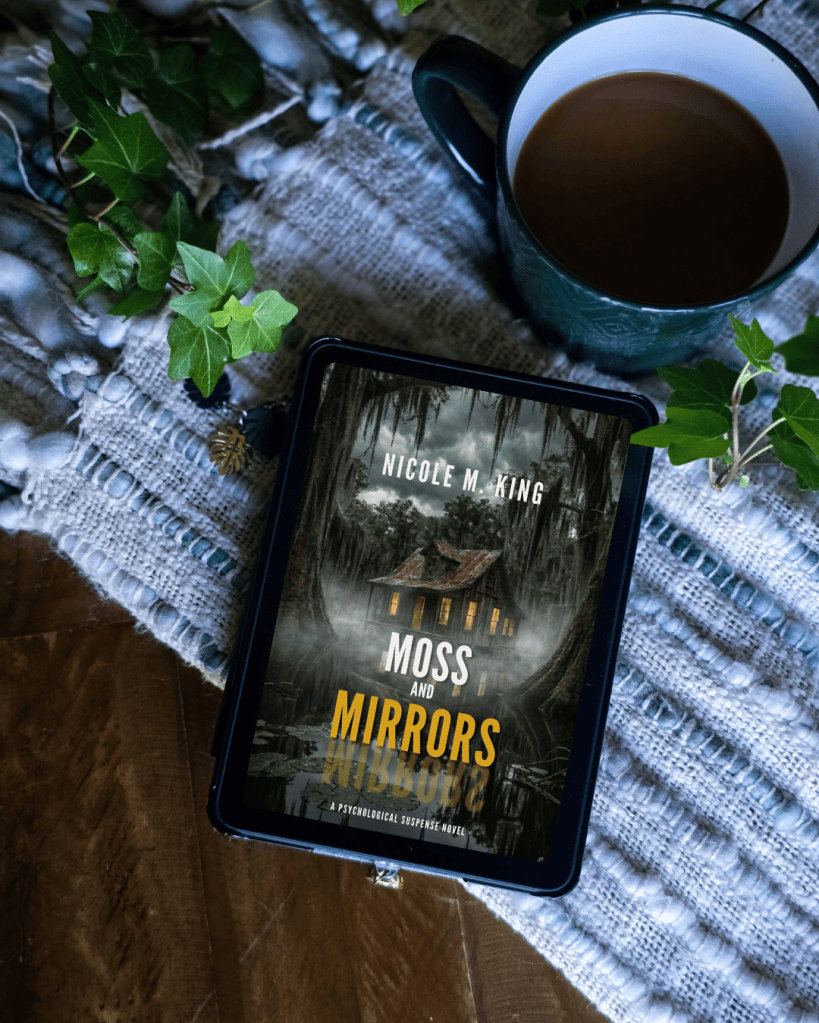
The Story
Quinn was thirteen when she was taken. Fifteen years later, a raid finally sets her free, and the counselor assigned to help her rebuild seems to understand survivors like no one else. He gives her a quiet house in Cypress Hollow, Louisiana, filled with women who know what she’s been through, and for the first time in years, Quinn feels safe. But the house keeps its own rules, the women won’t meet her eyes, and the man who promised to help her has a way of appearing when she least expects him. By the time Quinn realizes she hasn’t been saved but collected, it may already be too late.
Reading Experience
So much of this story lives in what’s implied rather than what’s said. Description is sparse, explanations are rare, and you’re handed pieces you’re simply meant to accept as they are, without the full story or the backstory behind them. That’s entirely by design. The deep third-person POV doesn’t explain itself, it gives us fragmented, dissociated inner thoughts that aren’t performing for the reader, just raw and unedited as they come. At times that makes the story feel repetitive and methodical, which feels fitting for a book about trauma and the women who are surviving it.
The book never fully reveals itself, and the ending offers very little closure. It’s clear we were never meant to have that. This isn’t a story to dissect and pick apart. As the reader, my job was simply to observe what the story chose to show me, take what it offered, and let my feelings take shape around it. In that way, it feels a lot like real life. We don’t always get both sides of the story or the full history behind it, and we rarely know everything that’s happening around us. Sometimes we’re handed fragments and left to decide how to feel about them and what to do with them. That approach worked beautifully here. It gives the book an eerie, elusive, mysterious quality where you never fully understand what’s happening until it’s too late, and even then, you can’t be entirely sure.
Writing Style
The writing style feels very intentional. Short sentences, fragments, and sometimes a single word stand on their own, separated by meaningful pauses and line breaks. At times it reads like poetry; at others, it feels unhinged and deeply unsettling. The overall effect is a cold and calculated thriller, with no warmth or connection, only precise, choppy inner dialogue that keeps you at a distance. It gives the story a hesitant, cautious tension. I found myself holding my breath as I read, never quite sure what was hiding beneath those carefully constructed, fragmented thoughts.
Characters
The book centers on a group of women who all seem to come from the same kind of situation. It’s implied more than once that they survived a cult or a kidnapping, but where each of them came from is never made clear. Even when words like cult, runaway, or taken surface, they arrive without names, dates, or details, only implied backstory. Each of these women has been stripped of her identity, her purpose, and her hope for a future. These women are shells of themselves living in a safe house under the care of a counselor meant to help them heal and rebuild, yet everything about it feels wrong, unsettling, and eerie.
Quinn is our main character, and we experience everything through her eyes as she encounters this house for the first time. It’s through her story that pieces of the other women in the house slowly unfold. Every one of them feels deeply wounded and in need of healing. We never learn their backstories, but we don’t need to. Their movements, the way they speak or choose not to, the silences that settle between them, and everything left unsaid make it clear they’ve been traumatized to the point of no longer being themselves.
We also spend time in the counselor’s POV, and his thoughts carry the same fragmented, methodical, calculated rhythm. At first, it strangely mirrors the women’s traumatized inner voices, which makes little sense for someone in his position, until we quickly realize he isn’t what he seems. Giving him that same voice creates a constant, eerie sense that something isn’t right. His thoughts don’t match what should be happening, and they certainly don’t match the hopeful, healing story these women are being fed.
Heartbeat
For me, the heartbeat of this story is that who you are at your core is the most important part of yourself. So much of life is spontaneous: the things that happen to us and around us, the decisions we make, and the ones we never get to make. We don’t have crystal balls. We can’t see what’s coming or plan for every situation, and so much of life catches us unprepared. A story like this shows that when your identity is stripped away, there’s nothing left. Who you are on the inside is worth holding on to.
Final Thoughts
Moss and Mirrors isn’t a fast-paced thriller with rapid twists. It’s a slow, atmospheric psychological suspense that unravels quietly, told through fragments, silences, and carefully constructed thoughts. It offers little explanation and even less closure, and that’s exactly what makes it so eerie and unforgettable. If you’re drawn to stories that trust you to sit with what’s left unsaid, and you don’t mind holding your breath for the entire ride, this one is worth stepping into.
ARC provided via Books and Bloom PR. All thoughts are my own.

Nicole M. King is a Canadian author of character-driven psychological suspense that explores memory, trauma, and the truths people bury to survive them.
Her stories unfold the way memory often does, not in a clean line, but in fragments that surface when least expected. A smell. A sound. A quiet moment when the mind wanders somewhere it wasn’t supposed to go. Her characters circle the same questions again and again, because that is what a mind does when it is trying to outrun something it already knows.
That approach began with her debut novel, What The Storm Broke, and it’s the throughline she intends to carry across everything she writes next.
Nicole is a wife, mom of three, and grandma who spent years trying on different callings, photography, nutrition, coaching, and more, before realizing that every one of them was preparing her for this. Writing is the first thing that has ever felt like coming home to herself.




Leave a comment